
Bullying Accountability
Child Safety • Teacher Protection • Institutional Responsibility
A public-interest site documenting bullying-related institutional failures, retaliation against reporters, and the need for accountability in schools and other child-serving systems.
Case Overview
MacMillan v. Kingsley Montessori School

Plaintiff Anne MacMillan standing on Exeter Street in Boston beside a Kingsley advertisement featuring her teaching in March 2023. The complaint alleges that retaliation was already underway at this time. Only weeks later, MacMillan was terminated — in the middle of the school year.
1. What this Case is About
MacMillan v. Kingsley Montessori School arises from Anne MacMillan’s report of serious bullying concerns while she was a Lower Elementary teacher at Kingsley Montessori School in Boston.
The complaint alleges that MacMillan reported student bullying and administrative inaction to Human Resources on October 31, 2022. Instead of conducting the investigation MacMillan believed was required, Kingsley allegedly retaliated against her, reframed her concerns as misconduct, and terminated her employment in April 2023, in the middle of the school year.
The case was dismissed at the trial-court level. MacMillan has filed a Notice of Appeal.
2. What MacMillan Alleges
MacMillan alleges that the bullying she reported was never meaningfully investigated by Kingsley. She further alleges that Kingsley did not have the clear staff reporting procedures, anonymous reporting option, or anti-retaliation protections required under Massachusetts bullying law.
The complaint also alleges that after MacMillan reported the bullying concerns, Kingsley began building a false narrative against her. According to the complaint, the school mischaracterized her conduct, compiled misleading personnel materials, and treated her documentation of student safety concerns and retaliation as “insubordination.”
MacMillan also alleges that the Massachusetts Commission Against Discrimination process did not include the investigation needed to test Kingsley’s version of events. The complaint states that witnesses were not contacted, key evidence was not fully integrated into the agency’s analysis, and Kingsley’s alleged misrepresentations were allowed to shape the record.
3. Why This Case Matters
This case matters because teachers are often the adults closest to what is happening inside classrooms. They are the people most likely to witness bullying, unsafe dynamics, and the difference between what a school says publicly and what children are actually experiencing.
If teachers cannot safely report bullying, children are less safe. If schools can respond to reports by turning scrutiny onto the reporting teacher, other teachers may learn that silence is safer than honesty. If no real investigation occurs, families may never learn what happened to their children, and public accountability may become impossible.
MacMillan contends that the trial-court dismissal creates a dangerous practical precedent for Massachusetts private schools. Even if the ruling is not binding appellate precedent, she believes it may be used by private schools and their attorneys to argue that teachers can be terminated after reporting bullying or student safety concerns without meaningful legal accountability.
For that reason, the appeal is not only about one teacher’s employment. It is also about whether private-school teachers in Massachusetts can report bullying and student safety concerns without being professionally punished for doing so.

MacMillan had been promoted to Co-Lead Lower Elementary Teacher in September 2022. The complaint states that she reported severe bullying to Human Resources on October 31, 2022, only weeks after her promotion, and alleges she was retaliated against for making that report.
3. Why Independent Schools Are Especially Vulnerable to this Pattern
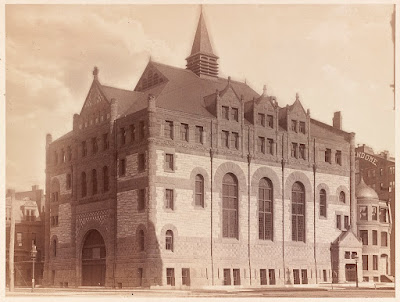
26 Exeter Street in Boston was originally a Spiritualist Temple. In 2024, amid public criticism, Kingsley purchased the building with help from a $25 million MassDevelopment tax-exempt bond.
The complaint alleges that independent schools can be especially vulnerable to this kind of institutional failure because they often combine high tuition, parent influence, at-will teacher employment, limited outside oversight, and internal governance structures that may leave classroom teachers without a safe path to report what they see.
According to the complaint, this vulnerability is especially dangerous when schools depend on tuition and reputation. In that environment, reports of bullying may be treated not as child-safety concerns requiring investigation, but as threats to enrollment, parent satisfaction, and institutional image.
MacMillan alleges that this is what happened at Kingsley. The complaint states that concerns about bullying were not meaningfully investigated, that teachers lacked safe reporting structures, and that MacMillan’s documentation of bullying and retaliation was later reframed as “insubordination.” The complaint also alleges that parent influence and reputational concerns helped drive institutional silence rather than accountability.
The case raises a broader public question: when teachers in private schools witness harm to children, who protects the teachers if they report it? If school administrators control the internal record, if boards do not independently investigate, and if outside agencies do not call witnesses or test the school’s version of events, then the people closest to children may be the least protected when they speak.
4. At-Will Employment and the “Letter of Appointment” System
The complaint also raises concern about the employment structure used by many independent schools: annual “letters of appointment” rather than full written employment contracts with meaningful procedural protections.
MacMillan alleges that Kingsley used this at-will structure to make continued employment conditional on alignment with school leadership. According to the complaint, after MacMillan reported bullying and retaliation concerns, Kingsley offered continued employment through a letter of appointment while allegedly pressuring her to accept the school’s position that no bullying had occurred. When MacMillan instead continued documenting the bullying, the lack of investigation, and the retaliation she believed was underway, Kingsley later reframed her documentation as “insubordination.”
This matters for families. Parents depend on teachers to tell the truth about what is happening inside classrooms. But teachers may be less able to communicate honestly if they know their employment can be quietly ended, their appointment can be withdrawn, or their professional reputation can be damaged after they raise concerns.
For that reason, parents considering private schools should ask whether teachers receive real employment contracts or only annual letters of appointment. Schools that provide clear contracts, fair disciplinary procedures, direct reporting pathways, and protection from retaliation are more likely to create conditions where teachers can speak honestly about student safety.
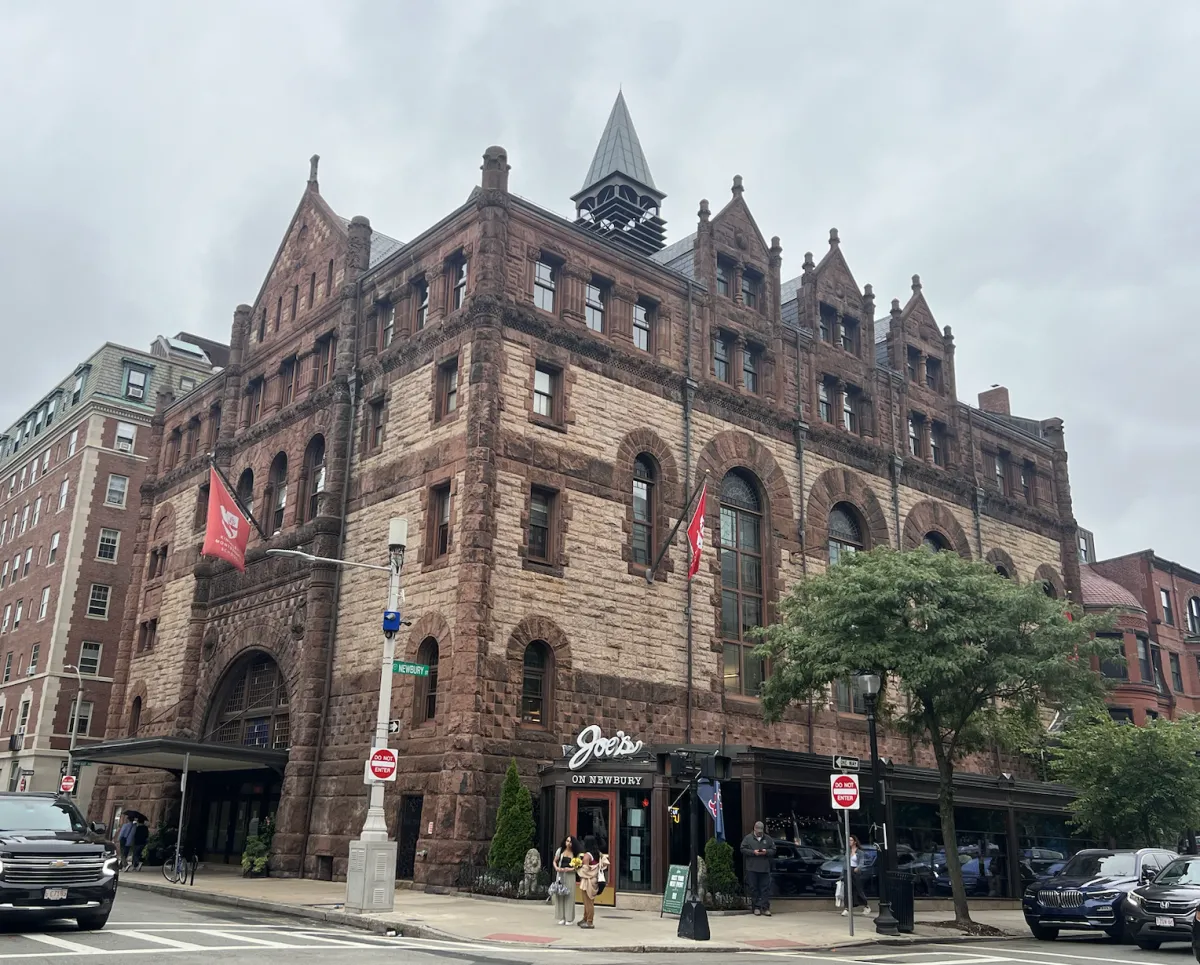
Kingsley Montessori School Is Housed in the Old Exeter Theatre on Newbury Street in Boston
MacMillan was a Lower Elementary teacher. Kingsley’s published Lower Elementary tuition for ages 6–9 is $45,285 for the 2026–2027 school year.
A school cannot protect children well if the adults closest to those children are afraid to report what they see.
Please Send Updates Straight to My Inbox
Receive occasional updates about the MacMillan v. Kingsley Montessori School case, including new public filings, educational explanations, website updates, and press materials.
Email is required. Phone is optional if you would also like text-message updates.
Bullying Accountability
Child Safety • Teacher Protection • Institutional Responsibility
© 2026 Bullying Accountability. All rights reserved.